Case studies
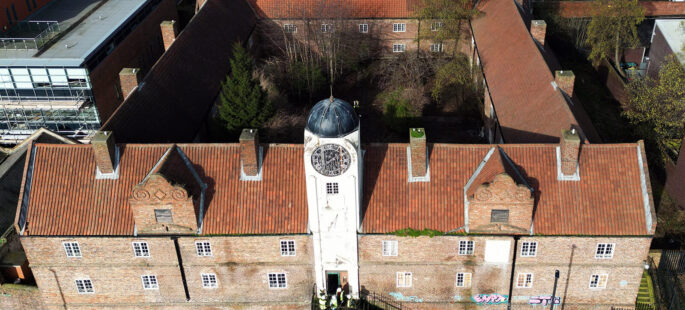
Fairfield House, Bath
What type of funding has been effective in supporting your work?
- Organic business growth: trading with universities, selling tickets for historic tours, shop with merch and food, licensing rooms on a monthly basis to appropriate community business users .
- Grant funding: small grants for establishing our business, refurbishing our pianola and commissioning new rolls. Possible National Lottery Heritage Fund driven capacity building (though ask us in four weeks time) .
- Support in kind: such as from the National Trust and universities.
What setbacks have you experienced related to funding?
Government delinquency: routine underfunding of local government means they need the Ministry of Housing, Communities and Local Government (MHCLG) “community ownership fund” programme. It’s prescriptive, politically skewed and quite onerous. Then they cancel it without notice.
- Corporate delinquency: engaging with companies is hard, and they don’t always behave in the sort of predictable and professional manner you’d expect
- Bureaucratic delinquency: it sounds responsible to require detailed proof of social impact. But if you don’t know what you mean by that it’s hard for heritage organisations to respond constructively.
What solutions are required to address funding challenges in heritage?
- Real communities
- Real experiences
- Compelling stories
- Fun stuff: food, music, culture
- Properly funded schools
William Heath, Trustee
This case study was produced by The Historic Environment Forum, in partnership with The Heritage Alliance, for the 2024 Heritage Debate ‘Balancing the Books, How Should the Heritage Sector Be Funded?’

Share this case study